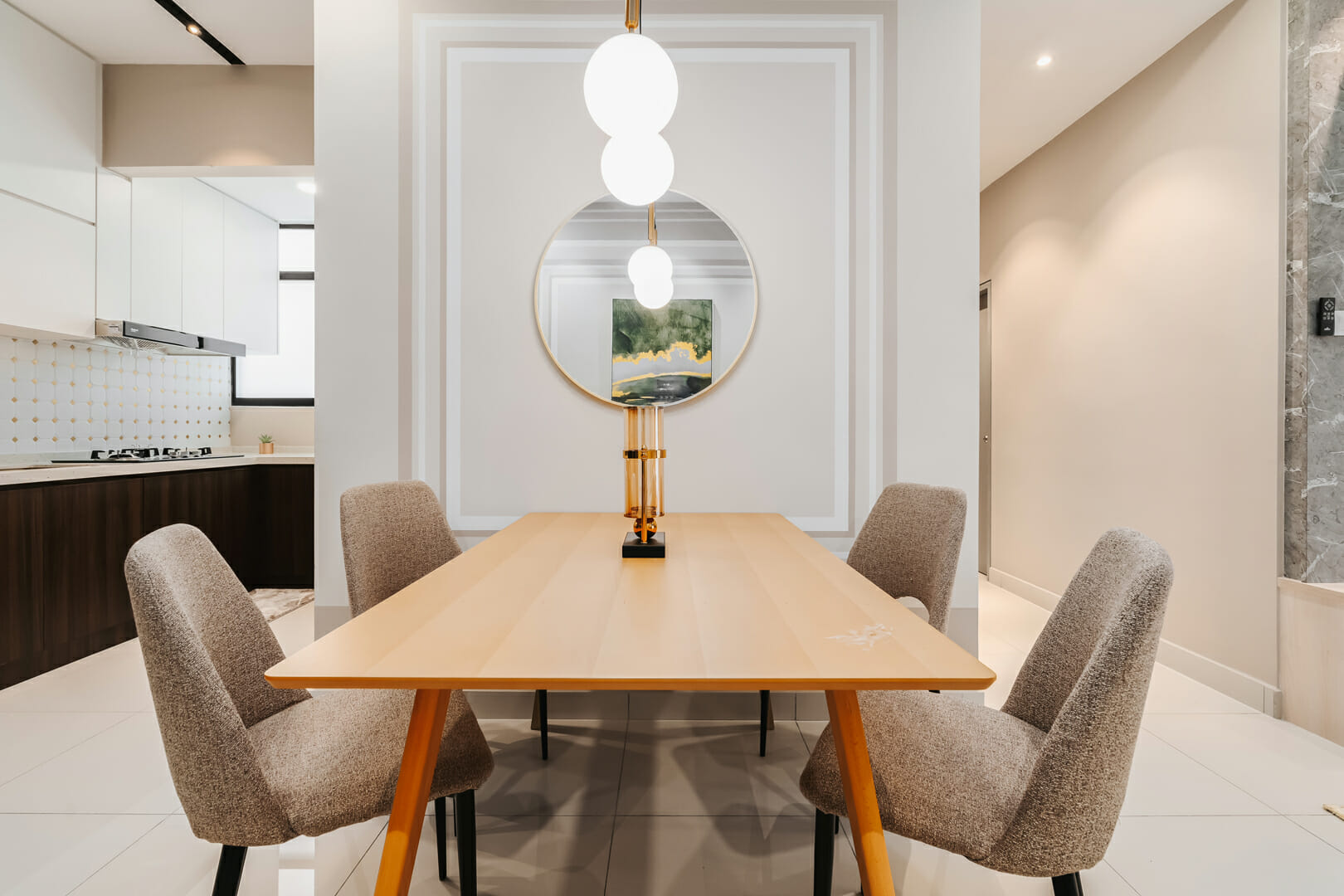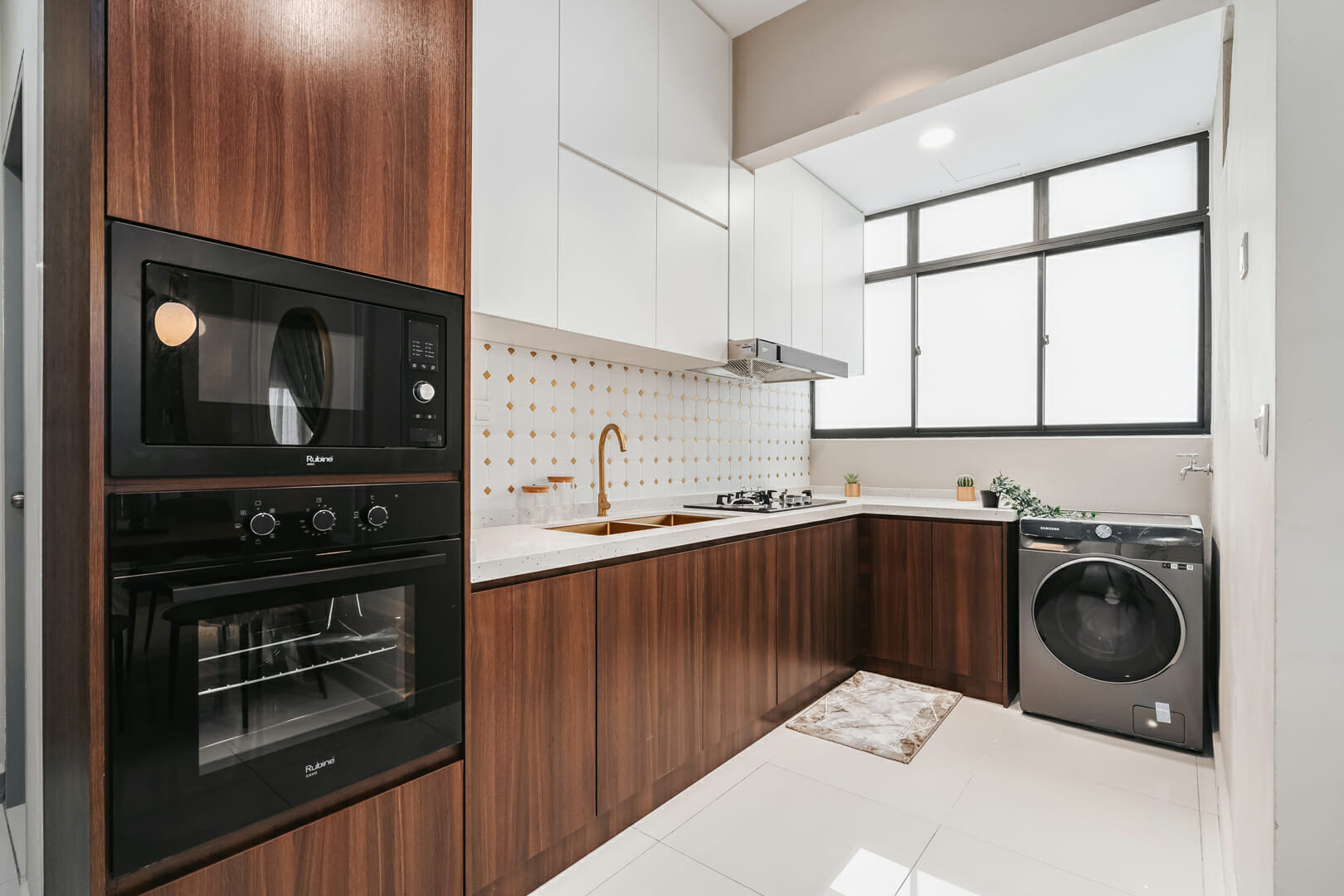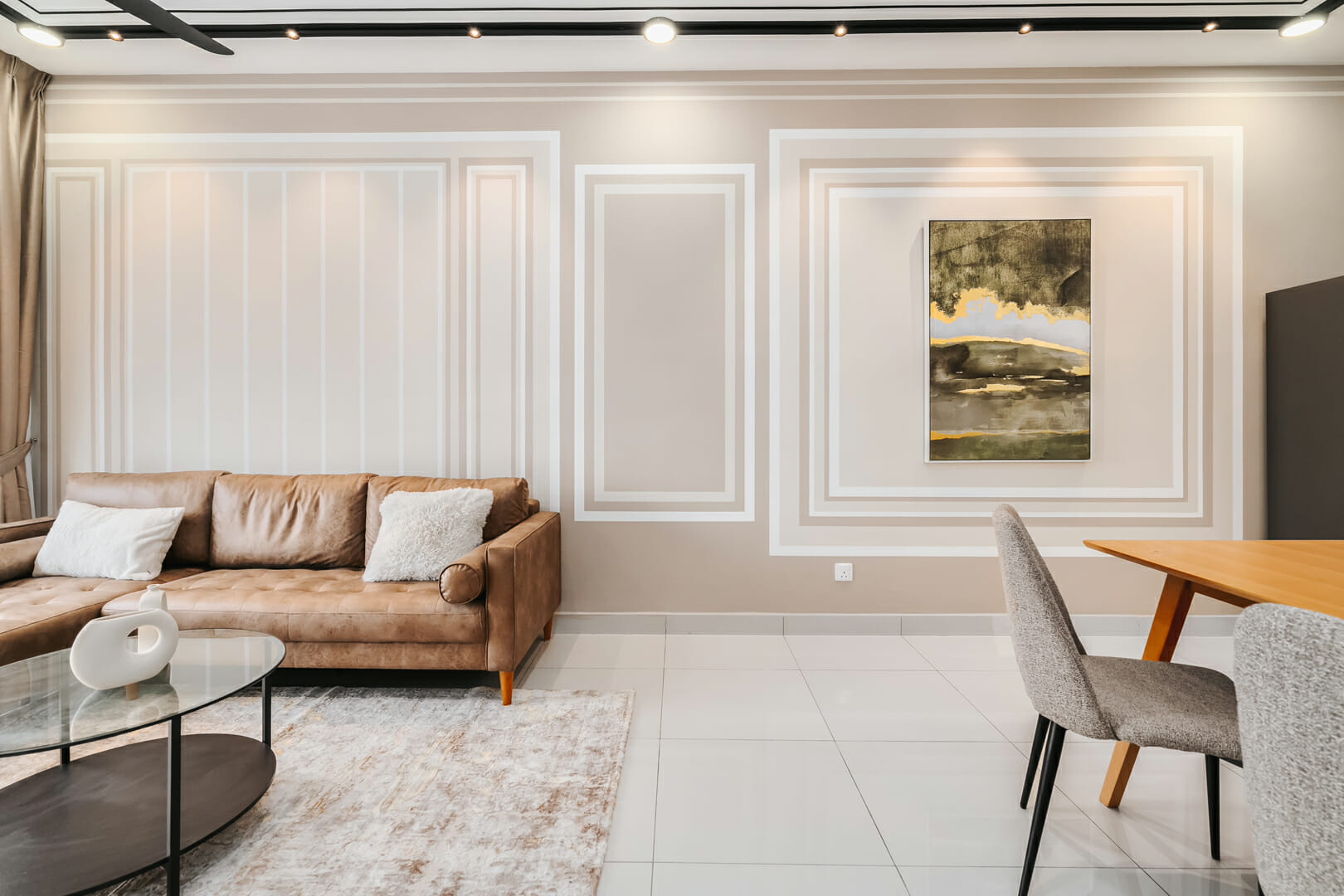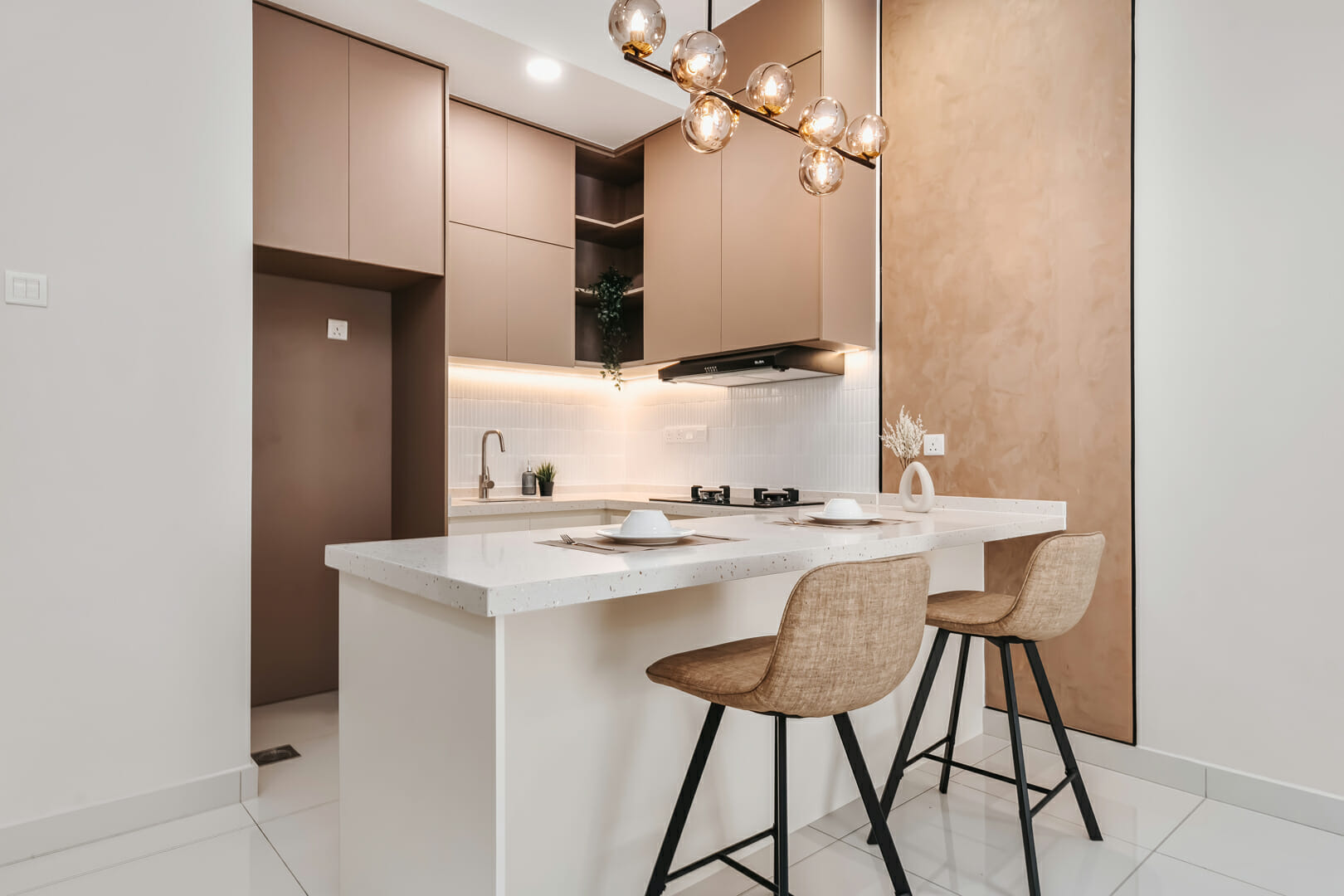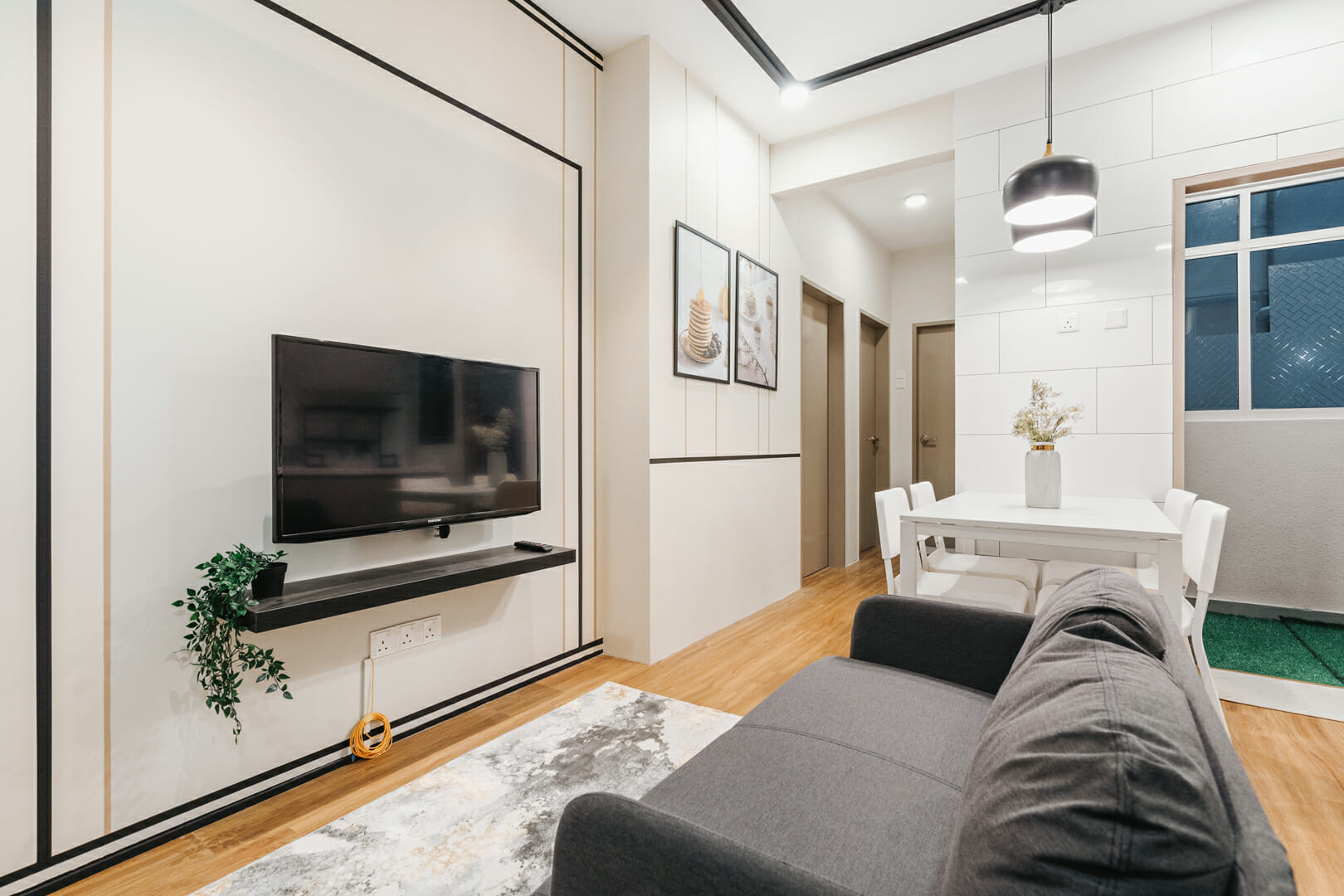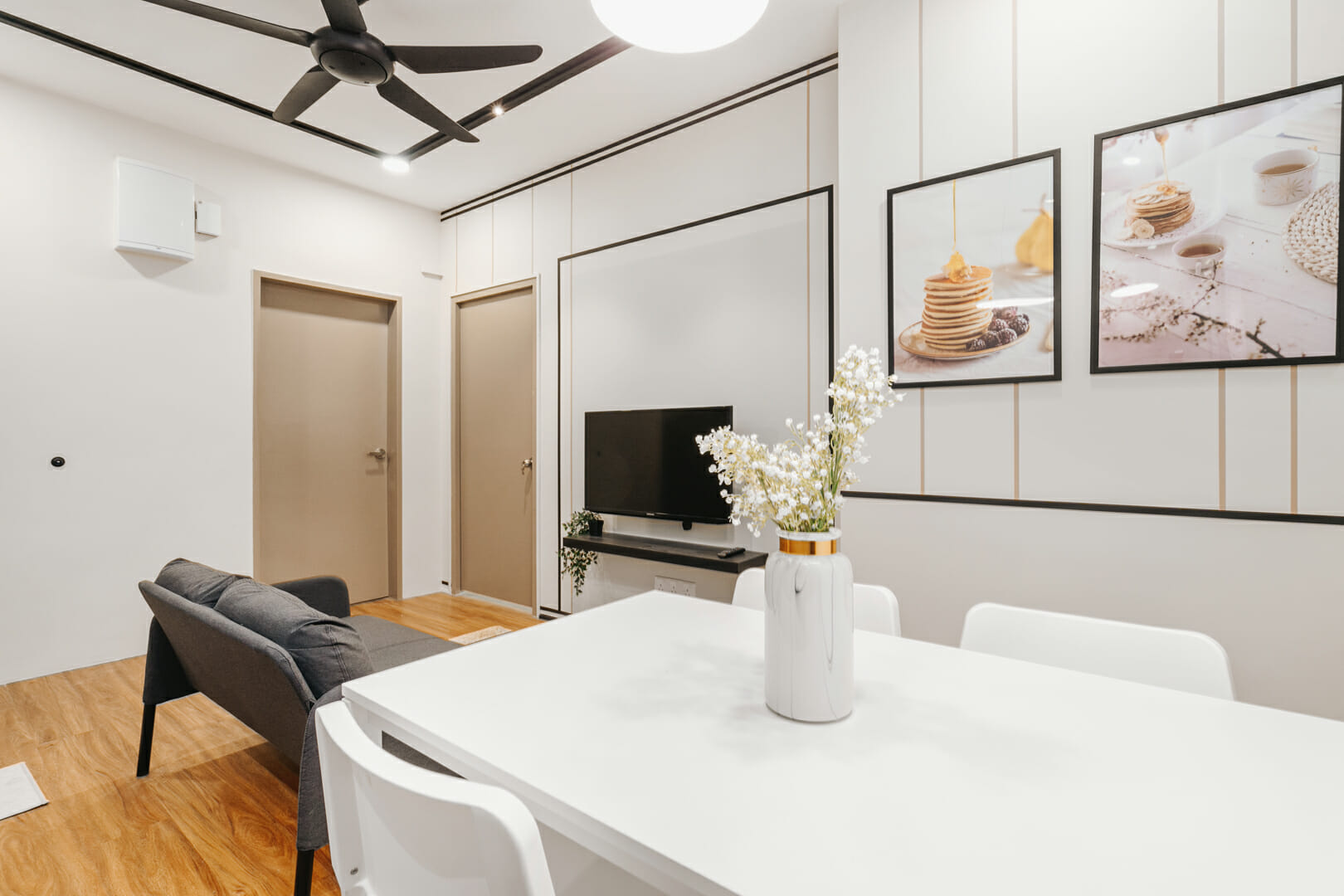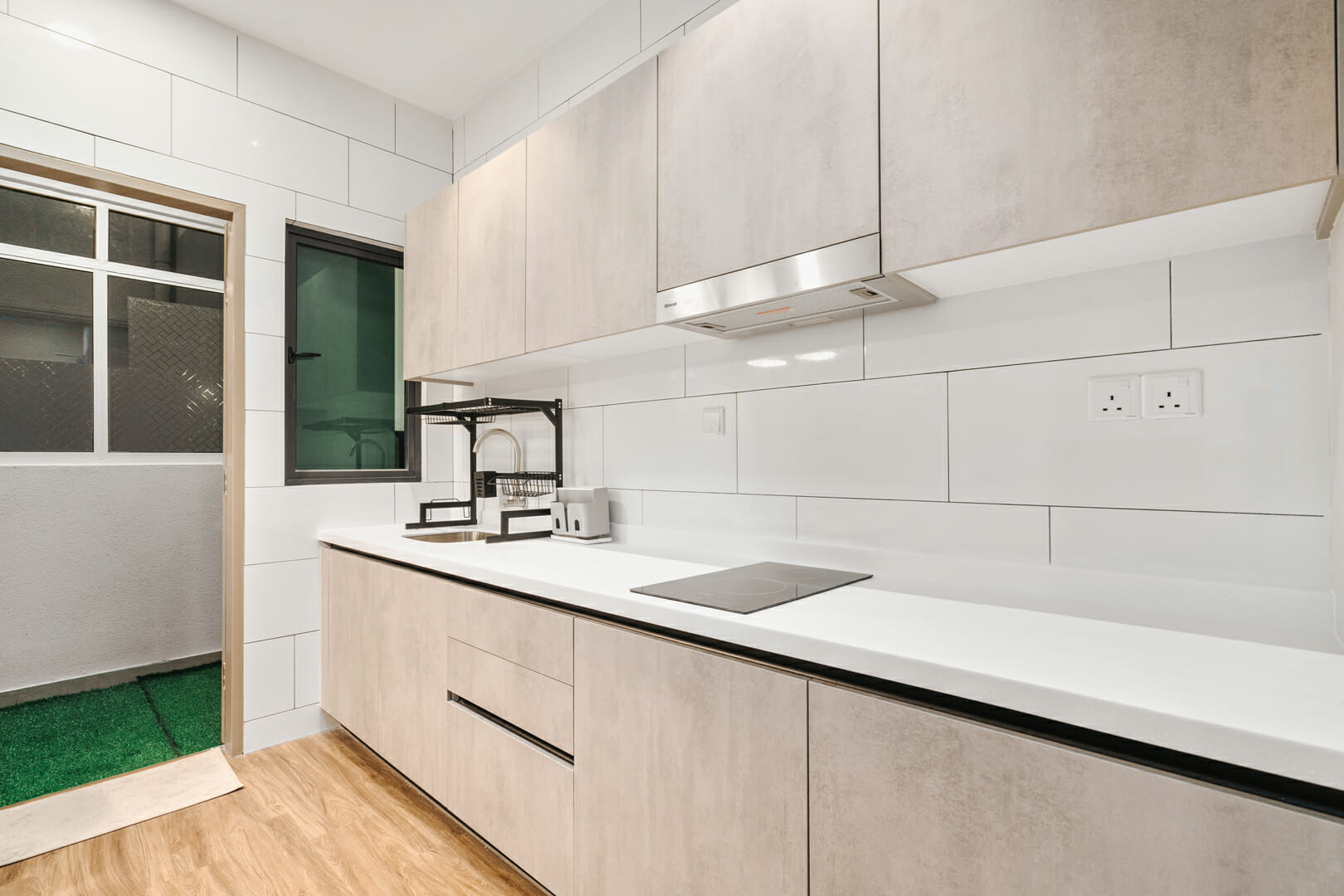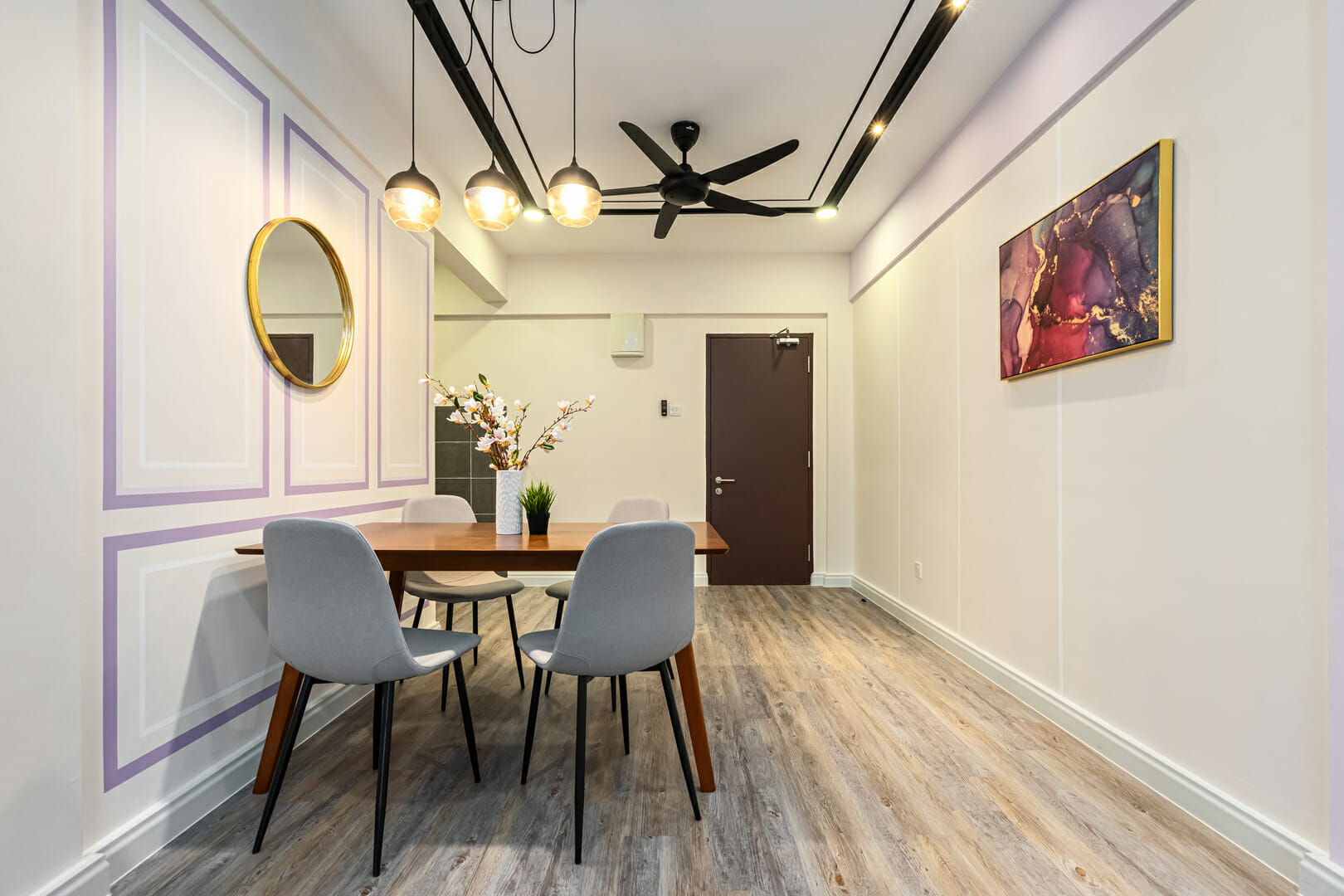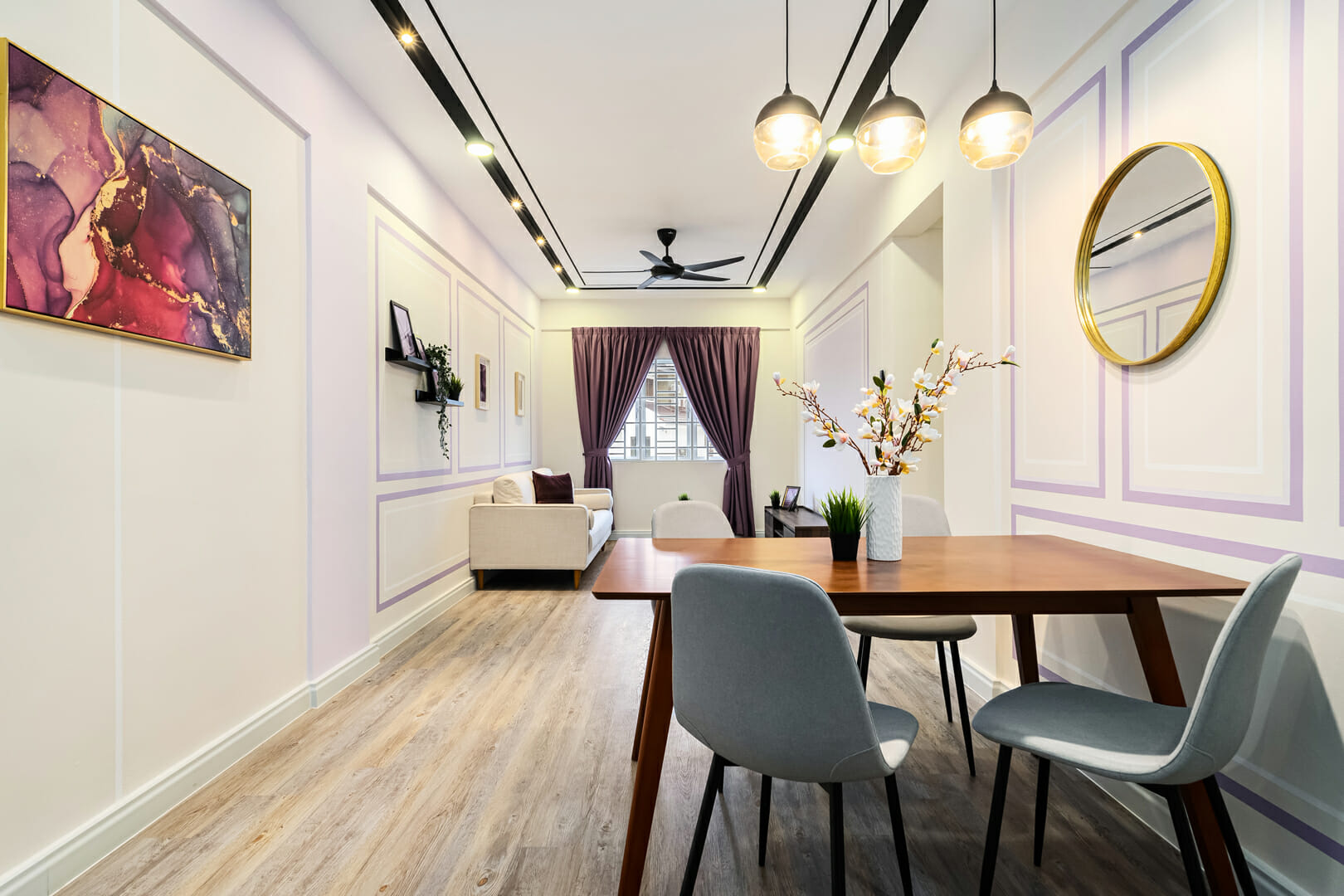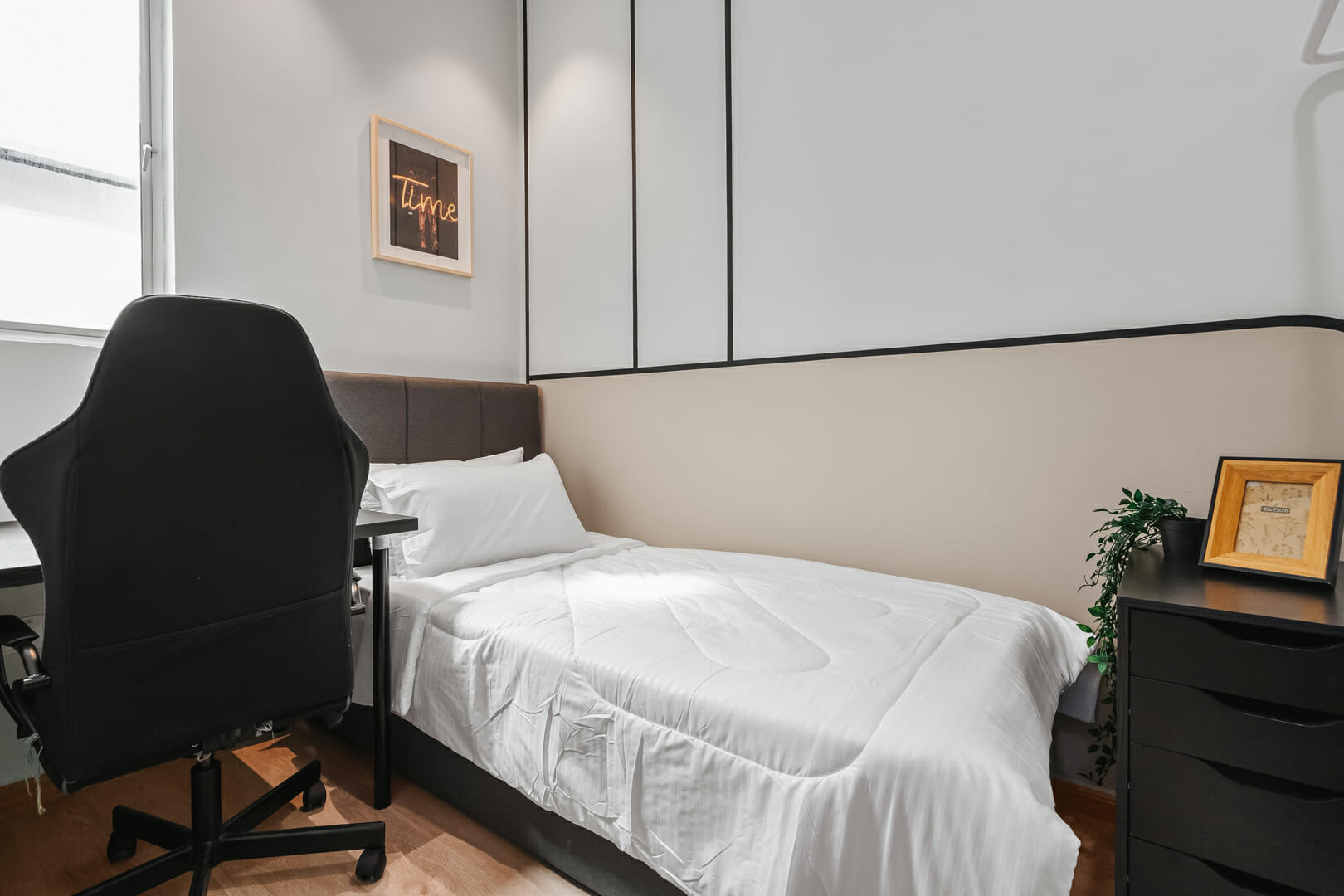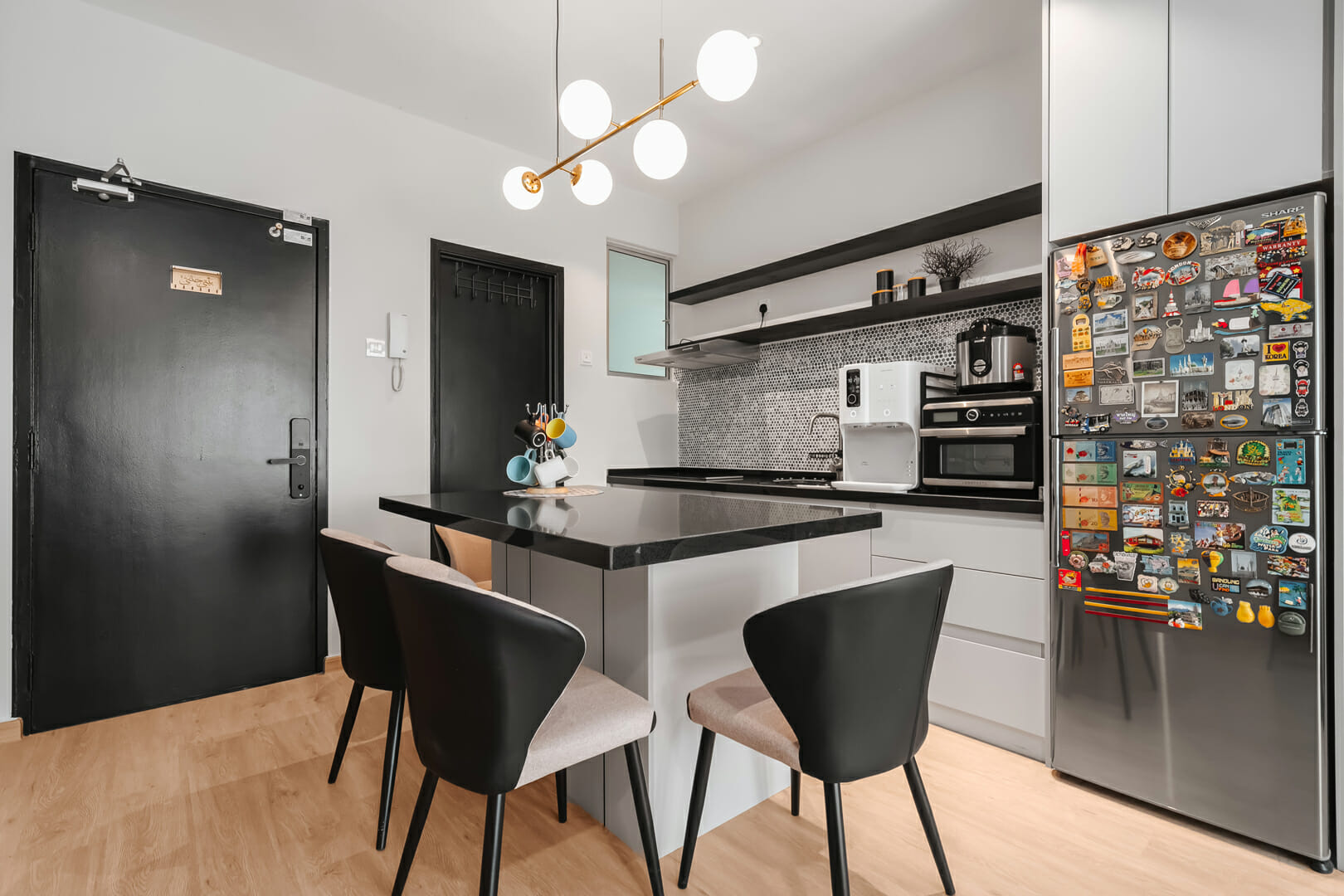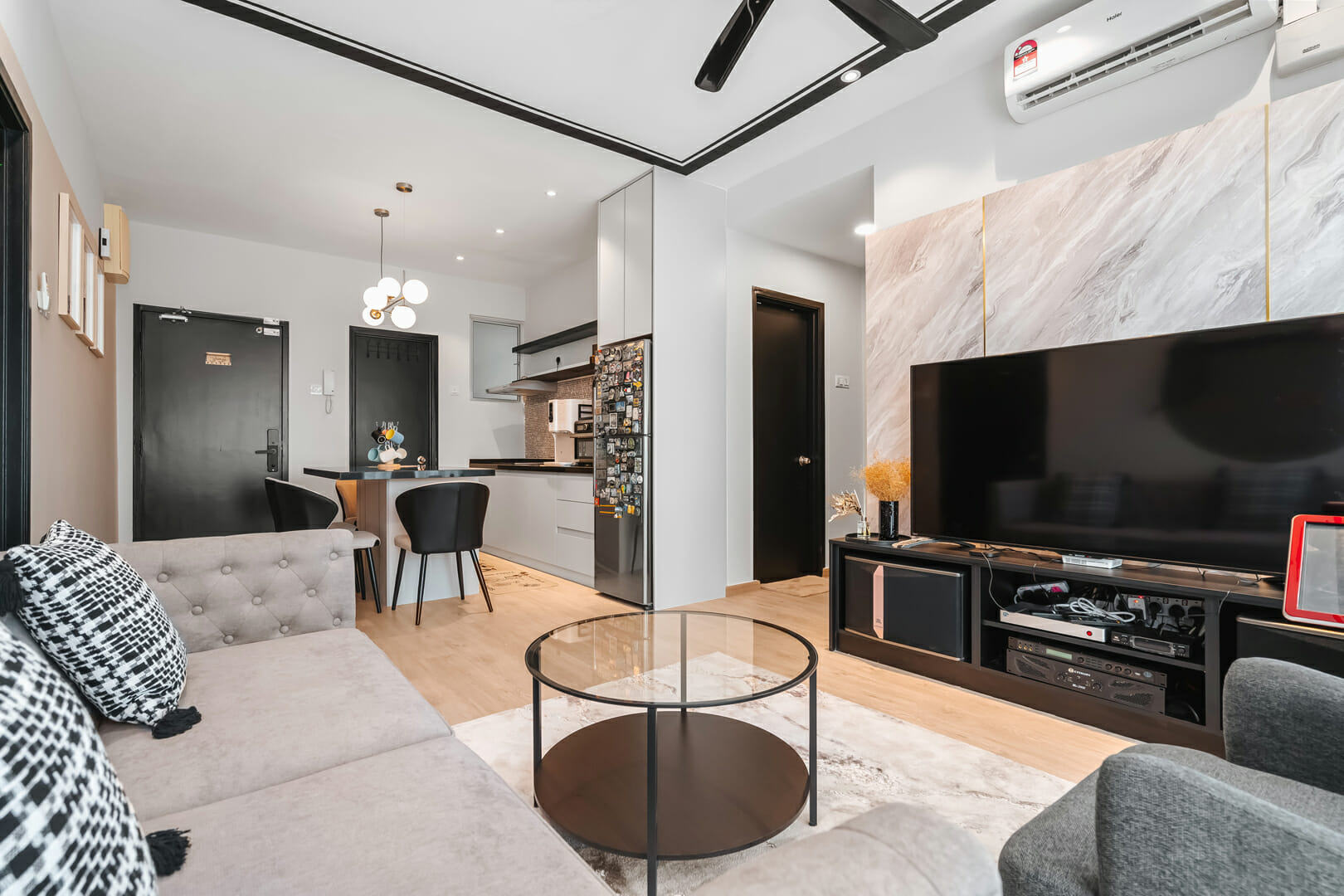
Embarking on a home renovation is one of the most exciting projects you will ever undertake. You have spent months saving up, pinning ideas on Pinterest, and dreaming of that perfect open-concept kitchen. But alongside the excitement, there is a deep, nagging fear: “What if it doesn’t turn out right?” This is the fear of “Renovation Regret”—the sinking feeling that the five-figure sum you just spent has resulted in a space that feels cramped, looks wrong, or simply doesn’t function the way you imagined.
For decades, we have relied on 2D floor plans and tiny material samples, forcing our brains to try and build a 3D picture from flat, abstract information. It is a process filled with guesswork and miscommunication. But what if you could eliminate the guesswork entirely? What if you could put on a headset, be teleported into your future home, and walk through your new kitchen before the first swing of a sledgehammer? This isn’t science fiction; it is the ultimate renovation hack, and it is changing the game for homeowners across Malaysia.
Table of Contents
- Introduction
- 1. Your Floor Plan is Flat. Your Home Isn’t.
- 2. The Power of Presence: Feeling the Space
- 3. The Tech Behind the Magic: Not Just a Game
- 4. Making Decisions with Confidence, Not Guesswork
- 5. The End of “He Said, She Said”
- 6. The Future of Renovation is Already Here
- Conclusion
1. Your Floor Plan is Flat. Your Home Isn’t.
The biggest source of renovation mistakes stems from the limitations of 2D blueprints. An architect or an interior designer can look at a floor plan and instantly understand the scale and flow of a space. But for most of us, these lines and numbers are meaningless. We cannot intuitively grasp how big a 900mm walkway around a kitchen island really is, or how the morning sun will hit the living room.
Even 3D renders on a flat computer screen have limitations. They are static snapshots from a perfect angle. They don’t allow you to experience the “in-between” spaces or understand the true sense of scale. This “Imagination Gap” between the 2D plan and the 3D reality is where expensive mistakes are born. A cabinet door that can’t fully open because it hits the refrigerator is a classic example of a problem that is invisible on a floor plan but painfully obvious in real life.
2. The Power of Presence: Feeling the Space
Virtual Reality (VR) walkthroughs solve this by giving you a sense of “presence.” When you put on the headset, you are not just looking at a picture; you are standing in a 1:1 scale digital replica of your future home. This allows you to answer critical, real-world questions that 2D plans cannot:
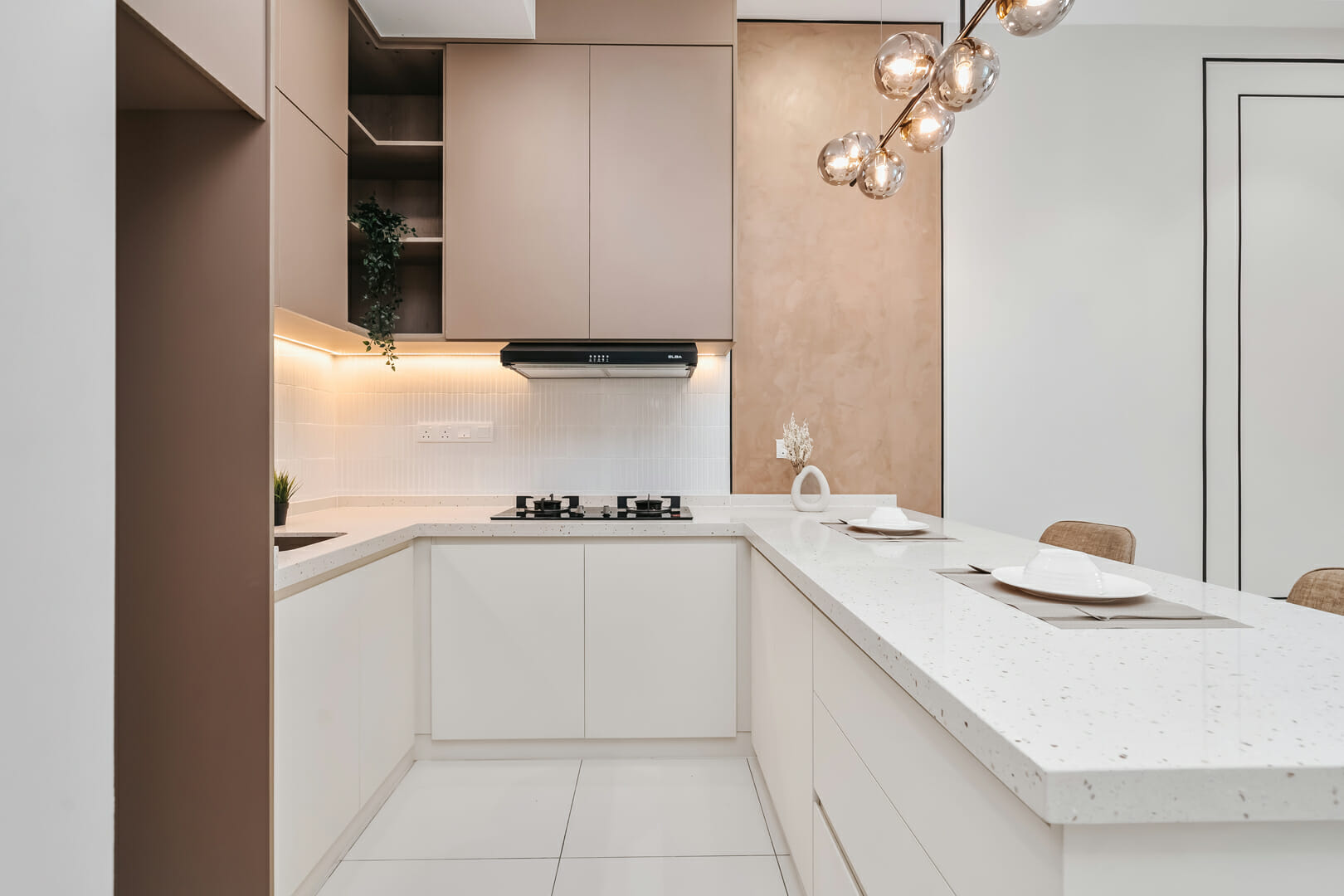
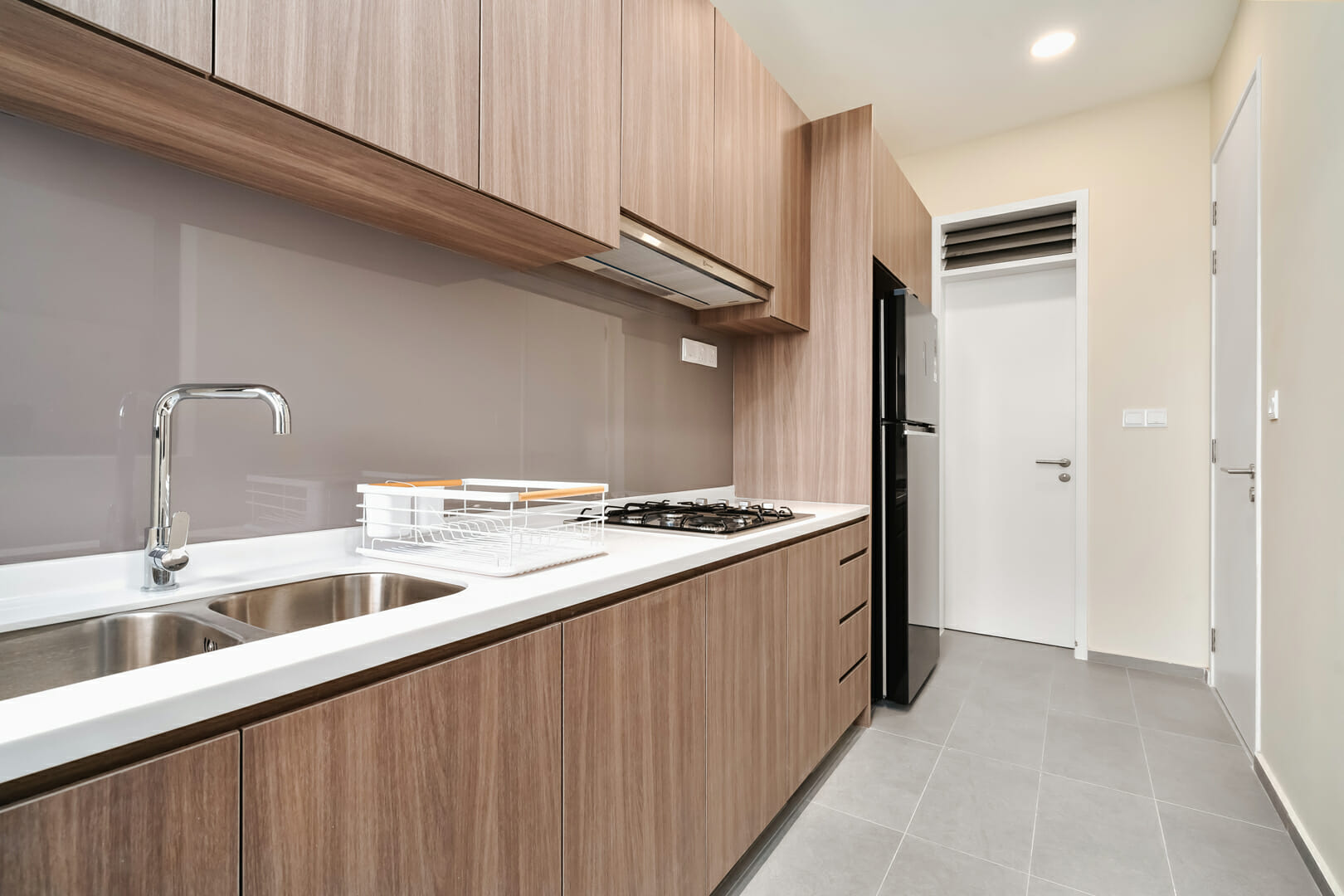
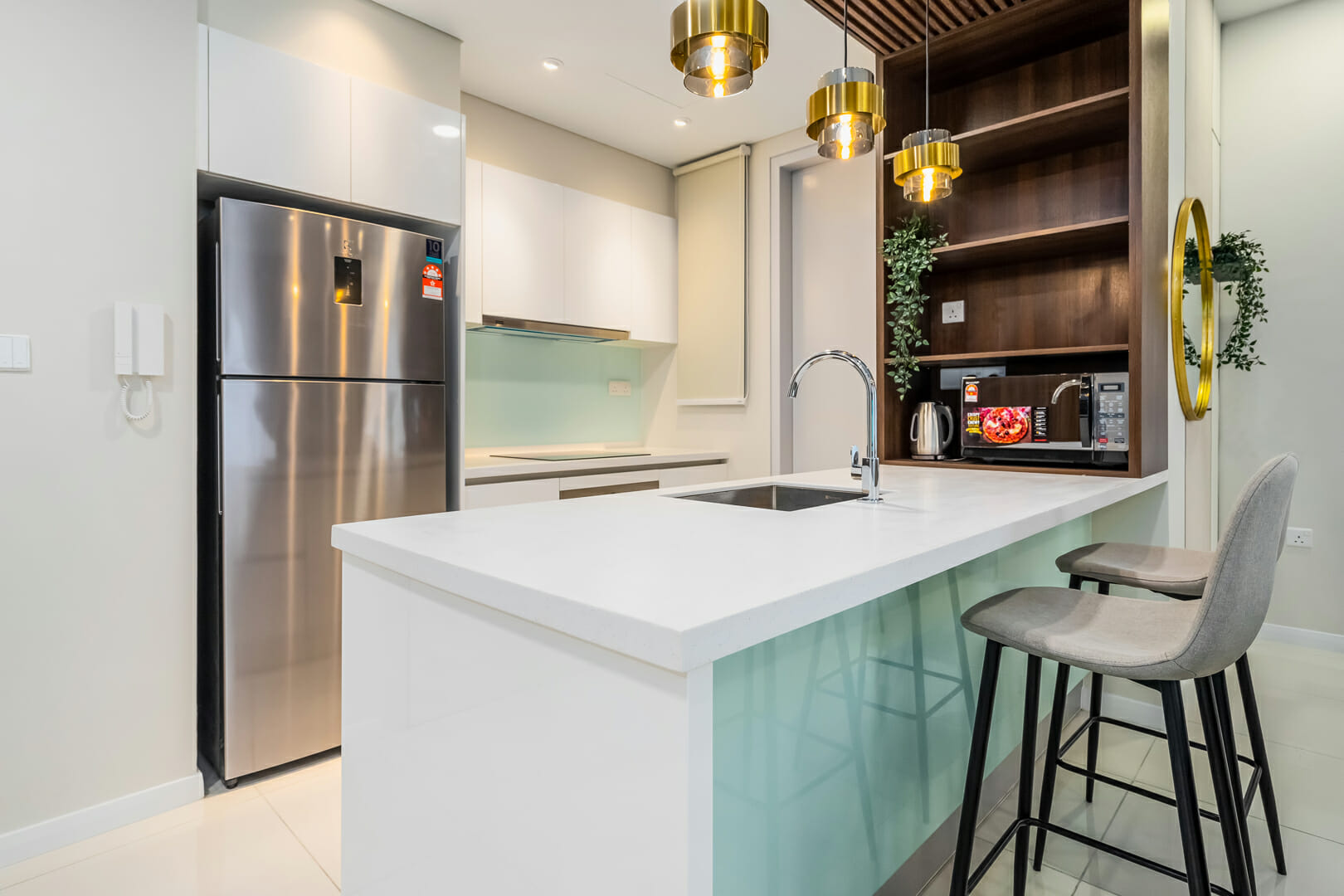
- In the Kitchen: Is there enough counter space on either side of the stove? Does the kitchen island feel too close to the cabinets, creating a “lorong tikus” (a mouse alley)? Can you comfortably open the oven and the dishwasher at the same time?
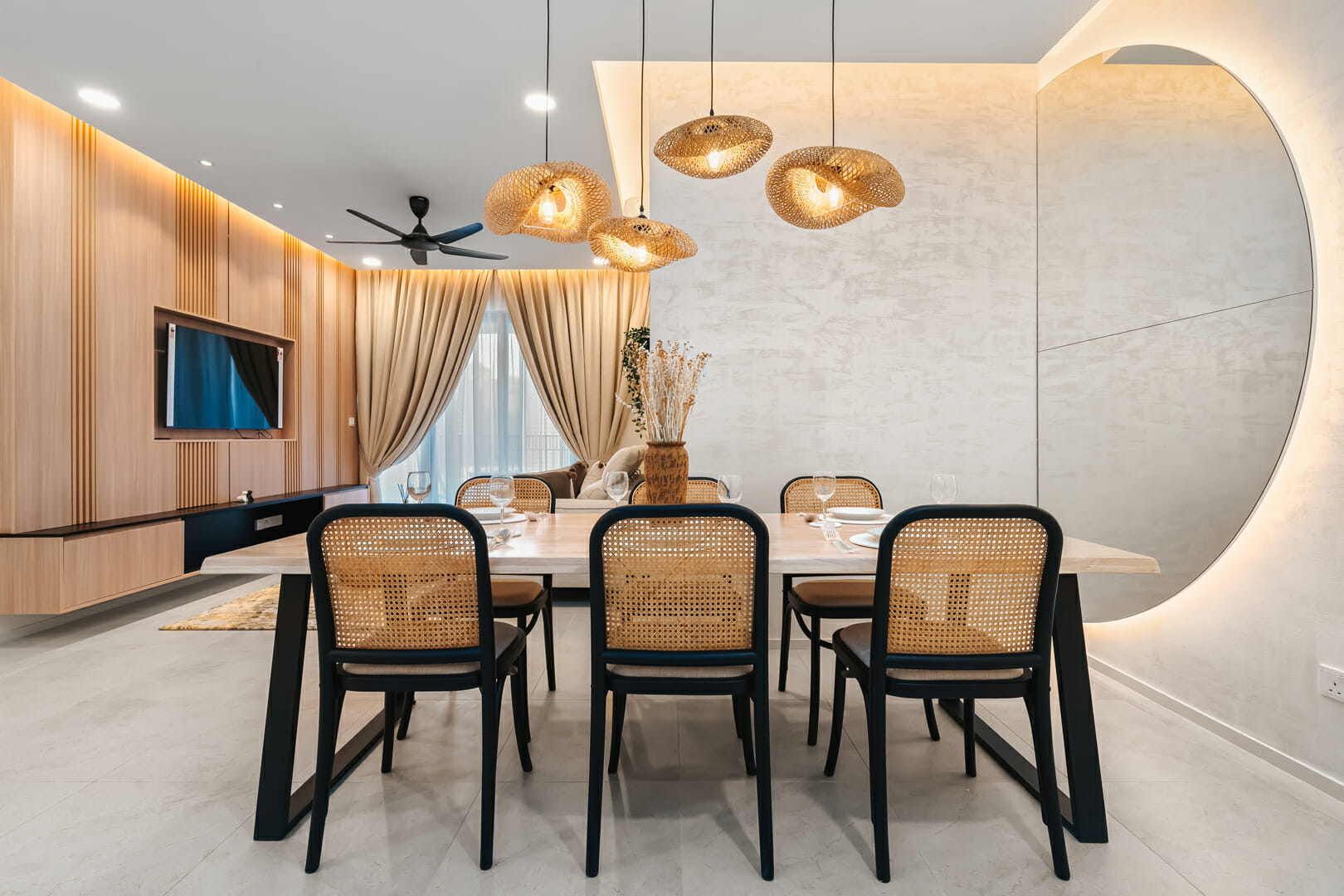
- In the Living Room: Does that huge feature wall make the room feel grand or claustrophobic? Is the TV positioned at a comfortable viewing height from your sofa?
- In the Bedroom: If you build that walk-in wardrobe, how much space is actually left for your bed and side tables? Is the path to the bathroom clear?
In the virtual world, fixing these issues is as simple as clicking a button. In the real world, it could mean thousands of Ringgit in hacking, re-wiring, and re-plastering. You get to make your mistakes when they are free.
3. The Tech Behind the Magic: Not Just a Game
It is easy to dismiss VR as just a video game, but the technology powering these architectural visualizations is incredibly sophisticated. The realism is achieved using powerful game engines like Unity and Unreal, the same engines used to create blockbuster movies and high-stakes professional simulations.
The level of accuracy required is immense. The software has to perfectly replicate the way natural light from a window reflects off a marble countertop versus a matte laminate. This isn’t just about making things look pretty; it is about physical accuracy. The credibility of this technology is so high that it has become the gold standard for many industries. In fact, high-fidelity virtual reality training is now mandatory for pilots, surgeons, and engineers who need to practice complex procedures in a risk-free environment.
If this technology is trusted to train someone to perform open-heart surgery, you can be confident that the dimensions and lighting in your virtual kitchen are spot-on. It is this industrial-grade precision that separates a professional VR walkthrough from a simple 3D animation.
4. Making Decisions with Confidence, Not Guesswork
A VR walkthrough is not a passive experience; it is an active design tool. It empowers you, the homeowner, to make crucial decisions with 100% confidence. Instead of agonizing over a tiny 2-inch paint swatch, you can instantly change the color of the entire living room wall inside the simulation to see how it feels.
Imagine standing in your virtual kitchen and being able to:
- Swap Materials Instantly: Toggle between quartz, granite, and solid surface countertops to see which one best matches your floor tiles.
- Test Lighting Schemes: Switch between “Day Mode” and “Night Mode” to see how your lighting plan works. You can instantly see if you need more downlights or if the pendant lamp hangs too low.
- Verify Textures and Finishes: See the difference between a glossy cabinet finish (which reflects light and shows fingerprints) and a matte Fenix laminate (which is sleek and modern).
This process transforms you from a nervous spectator into a confident co-creator of your own home.
5. The End of “He Said, She Said”
One of the biggest sources of stress in a renovation project is miscommunication. The client says “light grey,” but their idea of light grey is different from the designer’s. This leads to frustrating and costly re-work. The VR walkthrough becomes the “Single Source of Truth.”
When both the client and the renovation team at Reno & Rent Brothers can stand together in the same virtual room, everyone is on the same page. The design is no longer an abstract idea; it is a shared experience. This alignment is critical. It ensures there are no surprises during the handover. What you saw in the virtual world is exactly what is delivered in the physical world.
This level of clear communication is a hallmark of modern project management. In fact, the collaborative nature of these platforms is a key reason why virtual reality training is so effective for team-based industrial tasks, as it forces everyone to work from the same visual information.
6. The Future of Renovation is Already Here
Immersive technology is no longer a distant dream for the rich and famous. It is an accessible, powerful tool that is becoming the new standard of care in the design and renovation industry. Forward-thinking firms understand that a successful project is not just about the quality of the carpentry; it is about the quality of the client experience.
The next time you are interviewing a renovation contractor, don’t just ask to see their portfolio of past work. Ask to see their portfolio of *future* work. Ask them if you can walk through your new home before you sign the contract. The best firms will not just show you a blueprint; they will hand you a headset.
This is the new benchmark for professionalism. The ability to offer a full VR walkthrough demonstrates a commitment to transparency, communication, and technological leadership. It is a sign that your renovator is as invested in preventing “Renovation Regret” as you are.
Conclusion
Renovating your home is a huge emotional and financial investment. You deserve to feel excited, not anxious. The ultimate renovation hack is to eliminate guesswork. By taking a virtual tour of your new space, you can test every idea, verify every dimension, and make every decision with absolute confidence. You get to experience the joy of your new home before the dust even starts to fly.
The technology that allows pilots to practice emergency landings is now being used to ensure your kitchen island is in the perfect spot. As you embark on your renovation journey, choose a partner who wields this power. Choose a partner who lets you walk through your dream home, ensuring the reality is even better than you imagined.